Reflection: God's Hidden Presence
REFLECTION:
Yesterday was another hectic day. It’s only the second week of Lent, and already it has been full—meetings, decisions, weighty conversations. Yet strangely, in the middle of it all, I found peace.
I gathered all the staff of the Church and School for a meeting. I knew it might stir emotions. Perhaps anxiety. I hadn’t shared beforehand what I planned to address. There was probably that quiet tension in the room—What is Father going to say?
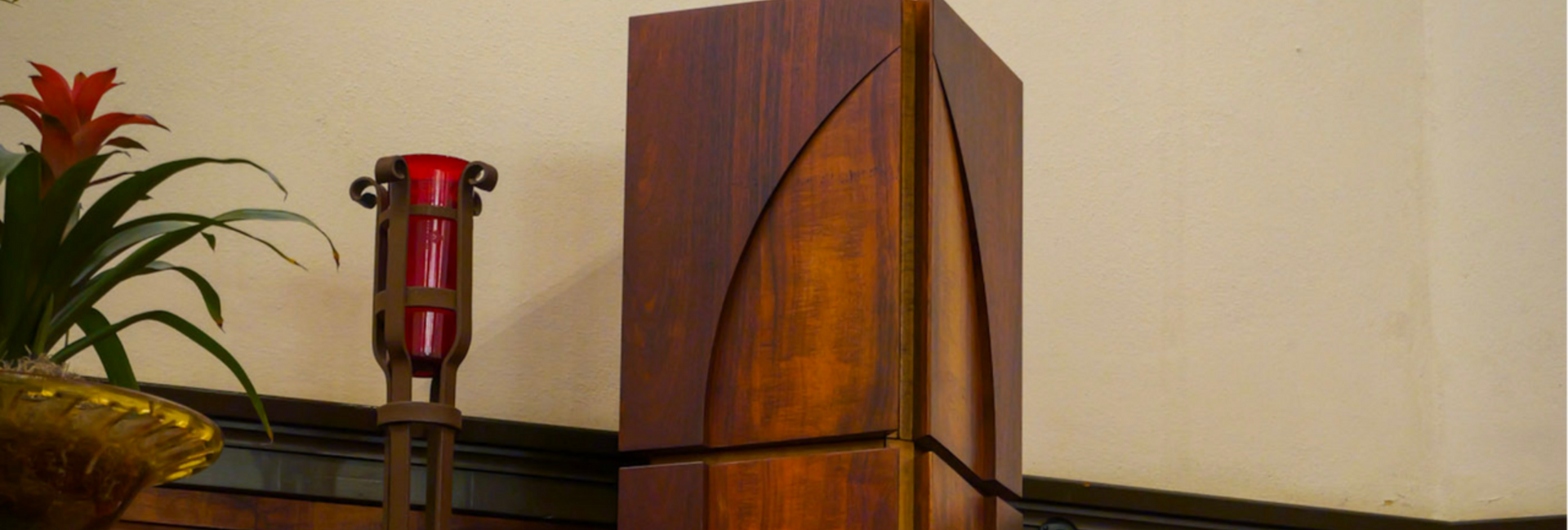
When it ended, everyone slowly filtered out. The hall was empty. The chairs were still. I sat there alone for a few minutes, just breathing. Then I walked over to the church, sat next to the tabernacle, and in prayer the only thing that came to my mind was: “Dude!! Seriously? Why me?”
I even joked that I wanted to fight God—not out of anger, but almost playfully. “Why did You lead me here?” I thought to myself, “I know You’re undefeated… but I still feel like fighting You.”
And in that quiet moment, I realized something important.
In the Hebrew version of the Book of Esther, God’s name never appears. Not once. There are no miracles, no dramatic divine interventions, no voice from heaven. Just tension. Politics. Risk. Fear. A queen caught in a crisis that could cost her life.
If you only read that version, it almost feels like God is absent.
But the Greek additions to Esther—the version included in our Catholic Bible—give us something beautiful. They give us Esther’s prayer. They show her falling on her face before God, trembling, honest, vulnerable. The Greek text makes explicit what was always implicit: God was there all along, acting behind the scenes.
The silence of God does not mean the absence of God. It means His presence is hidden.
Esther stood before King Ahasuerus not because she was fearless, but because she trusted that God was moving even when she could not see Him. The political maneuvering, the timing, the favor she received—all of it was part of a divine orchestration unfolding quietly. That is often how God works in our lives.
Not always with parted seas or burning bushes. Sometimes He works through meetings. Through uncomfortable conversations. Through decisions that feel heavy. Through leadership that stretches us. Through responsibilities we did not plan for.
When I sat next to the tabernacle yesterday, asking Jesus, “Why me?” I realized something else: you only wrestle with someone you believe is present. You don’t fight with someone you think is gone. You argue, question, and wrestle because deep down you know He’s there.
Maybe that is what Lent is inviting us into—a deeper trust in God’s hidden presence.
There are seasons when His name feels loud and obvious. And there are seasons when His name seems missing from the page. No clear answers. No immediate reassurance. Just faith. But just because we cannot see His hand does not mean He is not writing the story.
Esther’s people were on the brink of destruction. God’s name was not spoken. Yet deliverance was already unfolding. In the same way, in the quiet halls after meetings, in the anxious hearts before decisions, in the questions we bring to the tabernacle—God is already at work.
He may be hidden. But He is never absent. And sometimes, the very place where we feel like fighting Him is the place where He is shaping us most.