Reflection: Built To Last
Optional Memorial of Saint Augustine of Canterbury, Bishop
Brief Background:
Augustine of Canterbury was a Benedictine monk sent by Pope Gregory the Great in the year 597 to evangelize the Anglo-Saxons in England. Before his arrival, much of Christianity in England had declined after the fall of the Roman Empire and the arrival of pagan tribes such as the Angles, Saxons, and Jutes.
Augustine and his fellow monks landed in Kent, where King Æthelberht allowed them to preach the Gospel. Through Augustine’s witness, preaching, and missionary work, many people—including the king himself—converted to Christianity. Augustine later became the first Archbishop of Canterbury, establishing Canterbury as the center of the Catholic Church in England.
He helped build churches, founded monasteries, and worked to organize the Church in England. Although he faced many challenges and cultural differences, Augustine remained faithful to the mission entrusted to him. He is often called the “Apostle to the English.” St. Augustine of Canterbury is the patron saint of England, missionaries, and evangelizers.
REFLECTION:
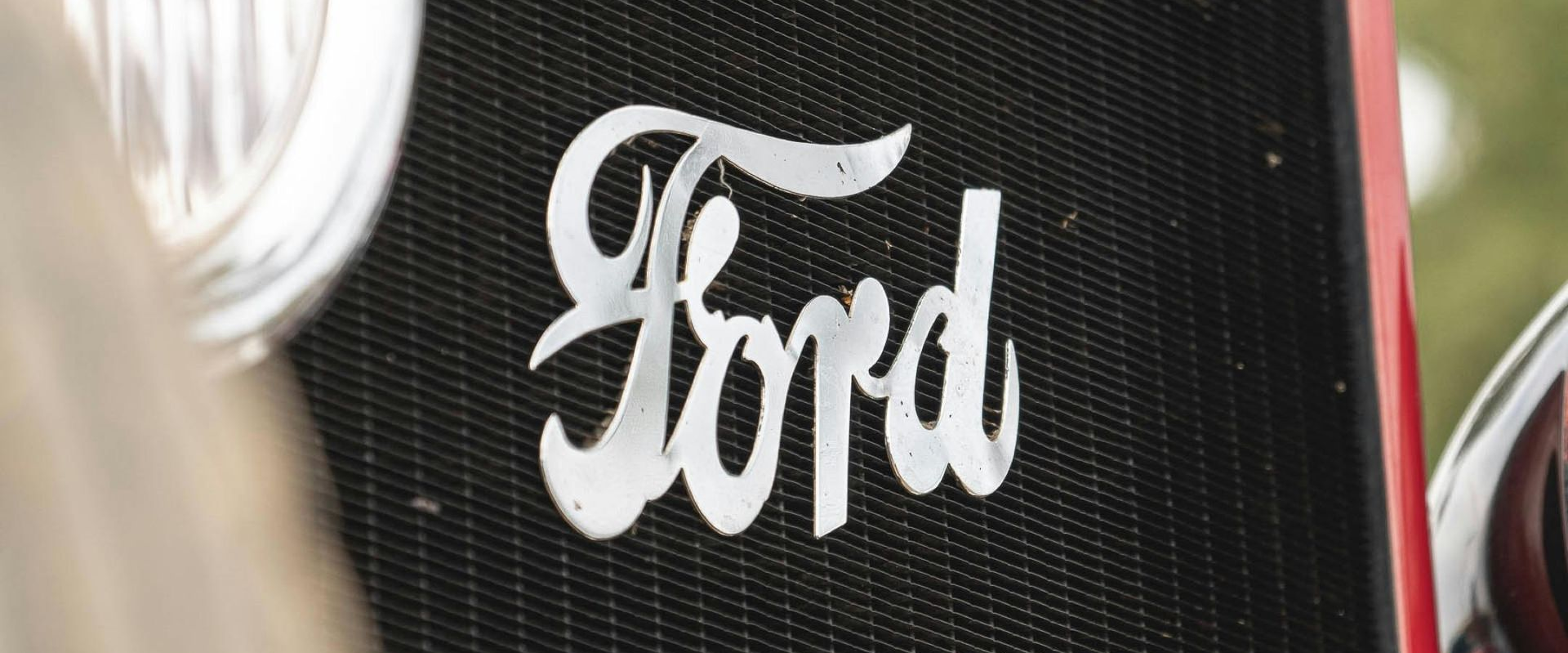
Some of you may remember the old slogan from Ford Motors, especially for their trucks: “Built to Last.” The slogan carried the idea that these vehicles were strong, dependable, and able to endure through rough roads and difficult conditions. And honestly, many people today still say, “Things made back then lasted much longer than things made now.”
You can see it in old appliances, old homes, and especially in the structures built by the Romans. Many Roman roads, aqueducts, and buildings still stand after nearly two thousand years. They have endured earthquakes, storms, wars, and the passing of generations. Yet even though those structures lasted for centuries, the Roman Empire itself did not. The authority of Rome, once feared across the world, eventually crumbled. Its power faded. Its rulers disappeared. Even the greatest earthly kingdoms cannot last forever.
That is exactly what St. Peter reminds us in today’s reading. He says that we were not redeemed with “perishable things like silver or gold,” but with something far more lasting: “the precious blood of Christ.” Human achievements fade. Wealth disappears. Empires collapse. Even the strongest things built by human hands eventually weaken. But the salvation won by Christ endures forever.
Peter goes even further by quoting the prophet Isaiah: “All flesh is like grass… the grass withers, and the flower wilts, but the word of the Lord remains forever.”
Everything in this world is temporary. Beauty fades. Strength weakens. Popularity comes and goes. Even our own lives on earth are limited. But the Word of God remains forever. The love of Christ remains forever. The sacrifice of Jesus remains forever.
Sometimes we spend so much energy building temporary things: reputations, careers, possessions, status, or popularity. None of those are bad in themselves, but they cannot save us. They cannot give eternal life. Only Christ can do that. Only Christ is truly “built to last.”
And perhaps that becomes the real question for us today: What are we building our lives upon?
Are we building on temporary things that will one day fade away? Or are we building on Christ, whose love and truth endure forever?
Because when our lives are rooted in Christ, then even when difficulties come, disappointments come, suffering comes, or even death itself comes, we remain standing. Not because of our own strength, but because our foundation is eternal.
The Roman Empire fell. Buildings eventually crack. Even the strongest truck will someday break down. But the Word of God remains forever.
The precious blood of Christ remains forever. And the soul anchored in Christ will remain forever.