Reflection: God Is Still Writing The Story
Optional Memorial of Saint Pius V, pope, religious
Brief Background:
Pope Pius V (1504–1572) was a Dominican friar (a member of the Order of Preachers) who became pope during a time of great reform in the Church following the Council of Trent. Known for his deep holiness, simplicity of life, and strong commitment to truth, he worked to implement the reforms of the Council, strengthen Church discipline, and renew the spiritual life of the clergy and faithful.
He is especially remembered for standardizing the Roman Missal (the Mass), helping bring unity and clarity to the Church’s liturgical life. He also had a strong devotion to the Blessed Virgin Mary and called all of Christendom to pray the Rosary, particularly during times of crisis.
Pope Pius V is known as the patron saint of liturgical reform, the Holy Rosary, and those seeking integrity and courage in leadership, especially within the Church.
REFLECTION:
A couple of days ago, I stopped by the grade school office and saw two boys sitting there. As soon as they noticed me, one of them asked, “Father, who created God?” It’s one of those simple questions that carries a lot of depth. I tried to explain it using what we might call the First Mover idea—that everything that begins has a cause, but there must be a beginning that is not caused by anything else.
Then I gave them something more relatable: I asked if the two of them had the power to design the world, would it look the same? They quickly said, “No.” So I followed up—if everything in the world connects in such an intricate and ordered way, doesn’t that point to one designer?
They paused, looked at each other, nodded, and said, “Whoa… yeah, that makes sense.” In that moment, they were beginning to see that behind everything, there is not randomness, but intention—there is an author.
That simple exchange opens up the deeper truth we encounter in Acts of the Apostles 13:13–25.
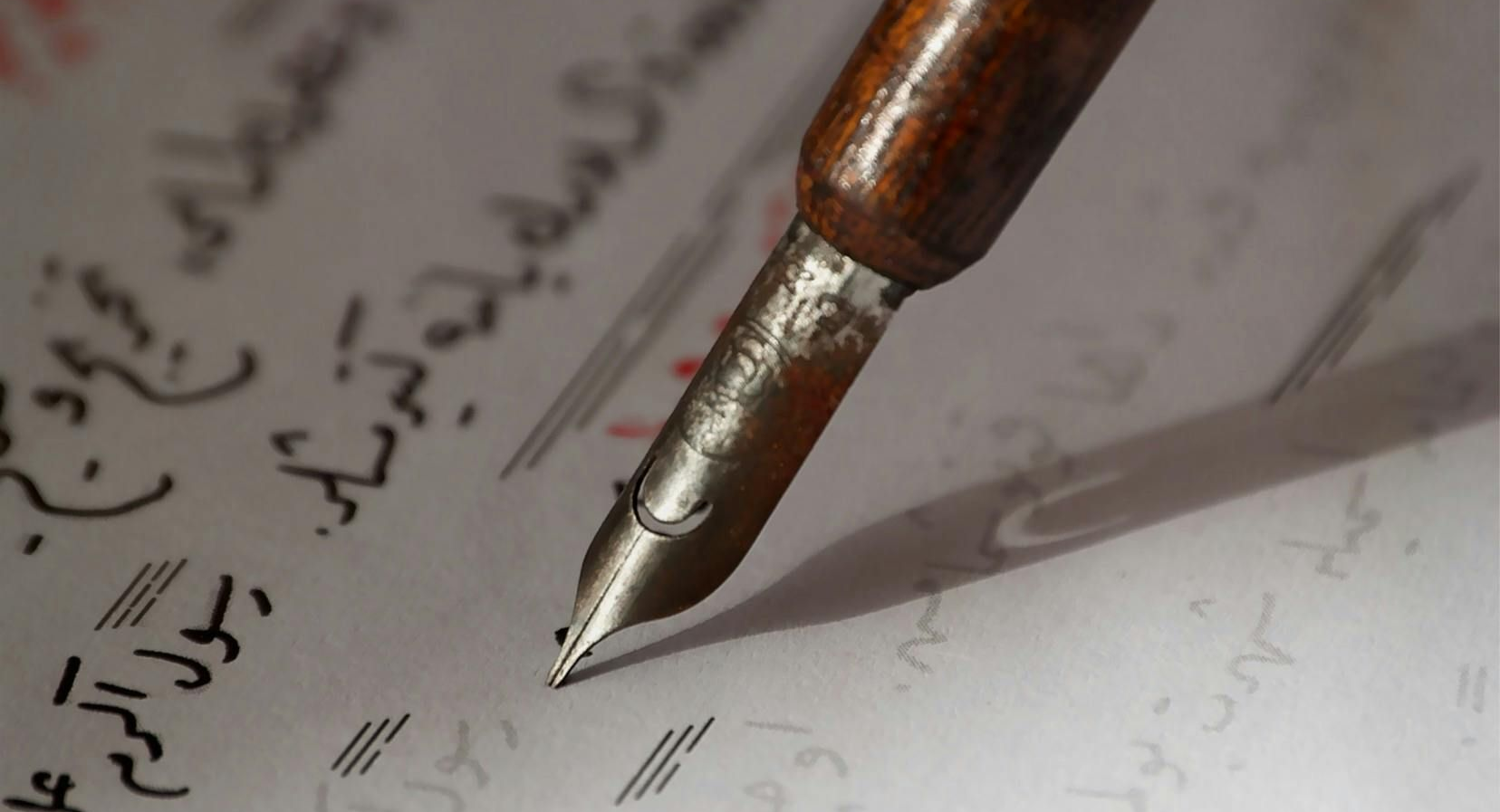
In this passage, Paul the Apostle stands up and retells the story of Israel, but he tells it in a very particular way. He places God at the center of every moment: God chose the people, God led them out of Egypt, God guided them through the desert, and God raised up leaders like David. The story is not about human achievement—it is about God’s faithful action. Paul is helping his listeners see what those two boys were just beginning to understand: that history itself points to a designer, to an author who is actively at work.
And more than that, Paul shows that everything in that history is leading somewhere. From Abraham to Moses, from the desert to the kings, nothing is random or wasted. Every moment is moving toward fulfillment, and that fulfillment is found in Jesus Christ. God is not only present within the story—He is the one writing it. He is both the author and the main actor, guiding everything toward His purpose.
If that is true for salvation history, then it is also true for us—especially in our parish and school life. We make plans, we set goals, we envision how things should go: a school year we hope will unfold smoothly, programs we want to succeed, relationships we hope will grow, projects we expect to move in a certain direction. But sometimes things don’t go according to our plan. There are unexpected changes, disappointments, or challenges that seem to interrupt the story we had written in our minds.
In those moments, the question becomes: do we see it as a failure of our plan… or do we have the faith to see it as God writing another chapter in our lives?
Because if God is truly the author, then even those unexpected turns are not mistakes—they may be the very places where He is leading us to something greater than what we had imagined. Perhaps even a better ending than what we hoped for. In our parish and school, this means trusting that God is at work not only in our successes, but also in our struggles, our adjustments, and even in the uncertainties we face together as a community.
Just like those two boys began to realize that the world points to a single designer, we are invited to recognize that our lives—and our life as a parish and school—are part of a story being written by God.
And perhaps the invitation today is to trust that truth more deeply. Instead of asking only why something is happening, we might begin to ask where God is leading us through it. Because if God is truly the author and the main actor, then everything—every joy, every struggle, every unexpected turn—is leading somewhere. And ultimately, it is leading us closer to Him.