Reflection: Restoration Begins at the Foundation
REFLECTION:
This week I learned a great deal simply by having honest conversations with different people. What struck me was the transparency. There was no trying to impress anyone, no hiding information, no saving face—just honest, raw conversations that made me think. During one of those conversations, someone said something that has stayed with me all week. They told me, "Father, maybe it's simply a matter of teaching someone something basic that they don't know. You're good at that—you coach people."
My first reaction wasn't very holy. I remember thinking to myself, "Why should I teach someone older than me? They're adults. They should already know this." But the more I prayed with that thought, the more I realized it wasn't about age at all. It was about foundations. Sometimes people aren't unwilling to do the right thing—they were simply never taught the basics. They aren't bad people; they just have weak foundations. And before we can expect someone to build well, we have to make sure they know how to lay a solid foundation.
That insight helped me understand today's readings in a new way.
In the First Reading from 2 Kings, the Kingdom of Judah loses almost everything. The king is taken into exile. The Temple treasures are carried away. The leaders, soldiers, craftsmen, and skilled workers are deported to Babylon. It appears to be a complete disaster. Everything they trusted in—their king, their city, their wealth, even the holy vessels of the Temple—is stripped away.
From a human perspective, it looks like the end. But from God's perspective, it is the beginning of restoration.
God allows His people to lose what they had built because they had forgotten what they were built upon. They had relied on political alliances instead of God's covenant. They maintained the appearance of religion while their hearts wandered far from Him. Before God could restore the nation, He first had to bring them back to their foundation.
The Gospel complements this perfectly. Jesus speaks about two houses. Both experience storms, floods, and strong winds. The difference isn't the storm; the difference is the foundation. One house is built on sand and collapses. The other is built on rock and stands firm.
Perhaps that's the lesson for all of us.
Many times we ask God to restore our circumstances. We want our marriage restored, our family restored, our parish restored, our health restored, or our peace restored. But often God begins somewhere much deeper. Before He restores our circumstances, He restores our foundation.
That's true in every part of life.
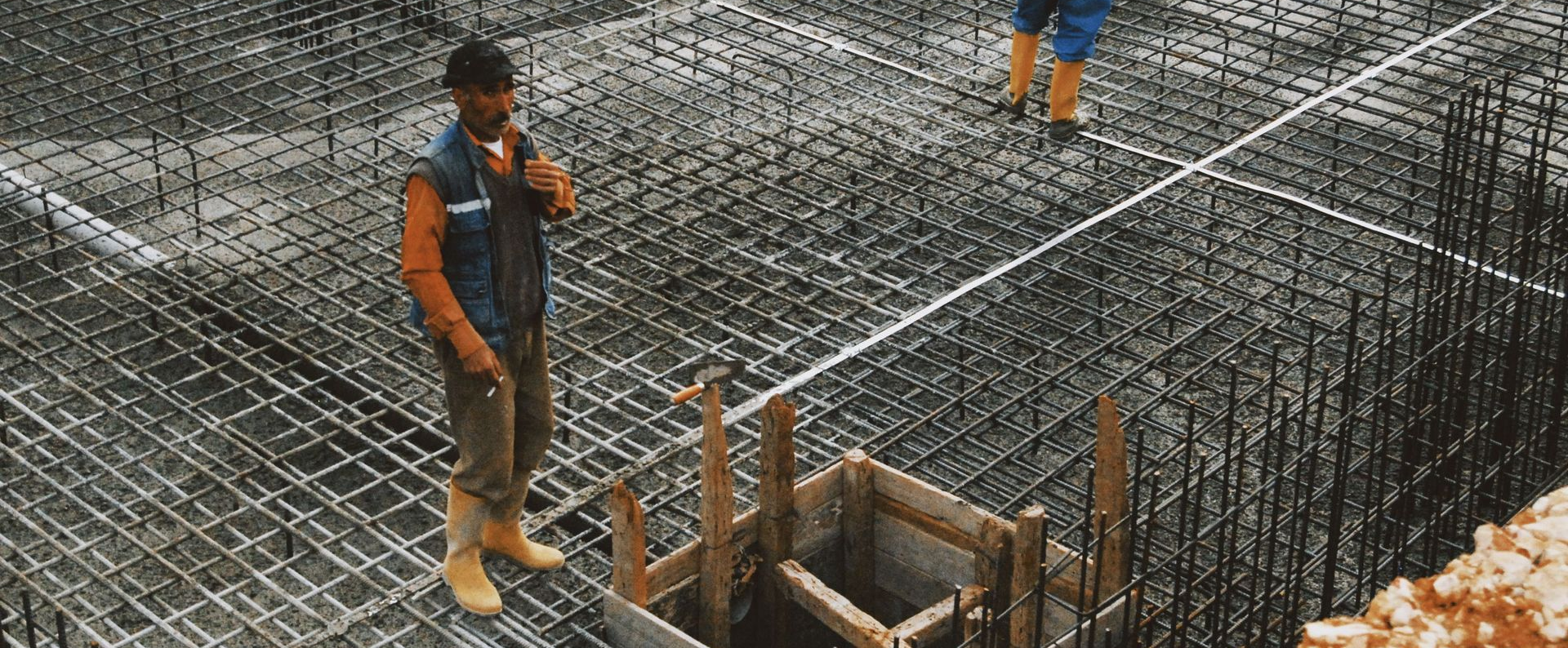
A coach doesn't begin by teaching complicated plays. A music teacher doesn't start with a symphony. A builder doesn't begin with the roof. They all begin with the basics because everything else depends upon them. The same is true in the spiritual life.
Sometimes we become frustrated with others because we assume they "should know better." We think they should know how to pray, how to forgive, how to communicate, how to lead, or how to serve. But perhaps no one ever patiently taught them those foundations. Instead of criticizing them for what they don't know, perhaps God is inviting us to become patient teachers and compassionate mentors.
The same applies to ourselves. Sometimes we ask God to fix our problems, but He first invites us to examine our own foundation. Are we building our lives on success, comfort, and control? Or are we building upon prayer, humility, trust, and obedience to Christ?
Restoration isn't simply about getting back what we lost. Restoration is about becoming who God created us to be.
The people of Judah had to lose a kingdom before rediscovering their identity as God's people. We don't have to wait until everything falls apart before returning to our foundation. Every day, God gives us the opportunity to rebuild our lives upon the Rock.
Perhaps today the Lord isn't asking us to do something extraordinary. Perhaps He's simply inviting us to return to the basics—to pray faithfully, to forgive generously, to love sincerely, to serve humbly, and to help someone else strengthen the foundation of their own life.
Because when the foundation is strong, restoration is not only possible—it becomes inevitable in God's hands.