Reflection: The Prayers That Carry Us Through the Darkness
Optional Memorial of Saint Pancras, martyr
Saint Pancras was a young Christian martyr from the early Church, believed to have been born around the late 3rd century. Tradition says he was only about 14 years old when he was martyred during the persecution of Christians under the Roman Emperor Diocletian around the year 304 AD.
Originally from Phrygia (modern-day Turkey), Pancras lost his parents at a young age and was brought to Rome by his uncle, where he converted to Christianity and was baptized. Despite his young age, he boldly refused to renounce his faith before Roman authorities and was executed for being Christian. His courage and steadfast faith made him one of the well-loved youthful martyrs of the Church.
St. Pancras is the patron saint of: young people and youth, children, jobs and health, truthfulness and keeping promises and those taking oaths. Because of his witness at such a young age, he is often seen as a model of courage, conviction, and fidelity to Christ despite pressure or persecution.
REFLECTION:
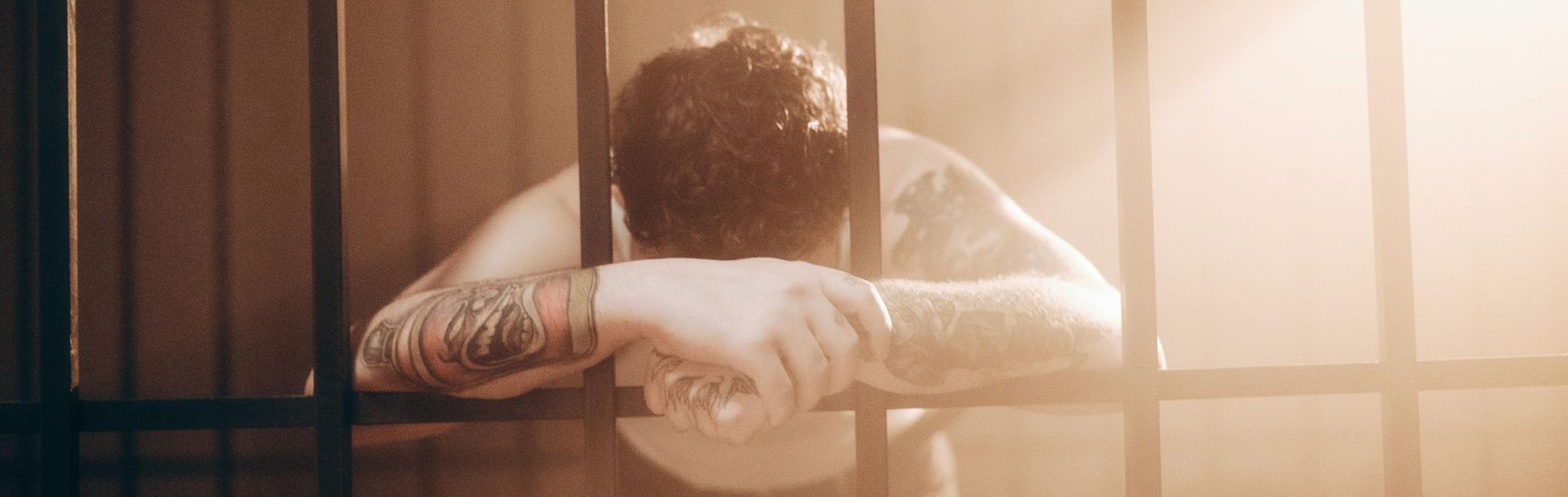
An alumni of Maryknoll once shared with me a story so beautiful that it has stayed with me ever since. He told me that when he attended Maryknoll School, he was not Catholic. After graduation, he entered the military, and during one of the intense trainings, they simulated prisoner-of-war situations. Part of the training required them to be locked inside a very small box for hours — sometimes even days. He said many people failed that part of the training because the fear, anxiety, and darkness became too overwhelming.
But he told me that while he was trapped inside that small box, all he could think about were the prayers he learned at Maryknoll School. He began praying the Hail Mary, the Our Father, and every prayer he could remember from his years in school. And somehow, those prayers carried him through. They gave him peace in the darkness, strength in fear, and the courage to endure. He said those prayers helped him finish the training and helped carry him through his years in the military.
And what struck me even more was this: eventually, because of that experience and because of those prayers that remained with him, he converted to Catholicism. In the darkness of that small box, something had already been planted in his heart years before. At the time, he may not have realized it, but the seeds of faith were already growing within him.
I think about that story when I hear today’s reading from the Acts of the Apostles. Paul and Silas were beaten, humiliated, and thrown into prison. Their feet were fastened in stocks, locked deep within the inner cell. Imagine the darkness, the pain, and the uncertainty. Yet what do they do? They pray. They sing hymns to God. While everyone else would have expected panic, anger, or despair, Paul and Silas turned to prayer in the darkness.
That is the power of faith formed deeply within the heart. In moments of suffering, we do not suddenly invent faith. We fall back on what has already been planted within us. The prayers we learned as children. The hymns we sang. The Scripture we heard. The faith passed on to us by parents, teachers, priests, grandparents, and community.
Sometimes people wonder if Catholic education, prayer, or coming to Mass really matters. But stories like this remind us that seeds planted today may save someone years later in moments we may never see. A child may forget a math lesson or a history date, but they may remember the Our Father when they are in darkness. They may remember how to make the Sign of the Cross when fear overwhelms them. They may remember that God is near when they feel alone.
And notice something else in today’s reading: the prayers of Paul and Silas not only sustained them, but became a witness to others. The jailer, who once guarded them as prisoners, ends up asking, “What must I do to be saved?” Their faith in suffering became the very thing that opened another person’s heart to God.
That is true discipleship. The world watches how we respond in darkness. Anyone can praise God when life is easy. But when we continue to trust, continue to pray, continue to sing even in suffering, people begin to notice that there is something deeper sustaining us.
Maybe some of us today feel trapped in our own “small box” — fear, grief, anxiety, loneliness, uncertainty, family struggles, health problems, or burdens nobody else sees.
Today’s reading reminds us: pray anyway. Even in the darkness, God is present. Even in prison, grace can break chains. Even in moments where we feel confined, God can still bring freedom.
And perhaps the greatest lesson is this: never underestimate the power of the prayers and faith we teach others. You may never know when those prayers will become someone’s strength in the darkest moments of their life — or even the beginning of their conversion to Christ.