Reflection: The Wisdom of Our Kūpuna: Living Signs of Faith
Optional Memorial of Saint Apollinaris, Bishop and Martyr
Brief Background:
According to ancient Christian tradition, Saint Apollinaris was a disciple of St. Peter the Apostle, who sent him to proclaim the Gospel in Ravenna, Italy, where he became its first bishop. He courageously preached the Christian faith, converted many to Christ, and was known for his pastoral care and miracles. Because of his unwavering commitment to the Gospel, he endured repeated persecution, imprisonment, and physical abuse before eventually dying from the injuries he suffered, making him one of the early martyrs of the Church. His faithful witness helped establish and strengthen the Christian community in Ravenna.
Saint Apollinarish is the patron saint of Ravenna, Italy; against epilepsy; and invoked for those suffering from gout. Above all, he is remembered as a patron and model for bishops, pastors, and all who courageously proclaim the Gospel despite hardship.
REFLECTION:
I have always enjoyed listening to the stories of our kūpuna.
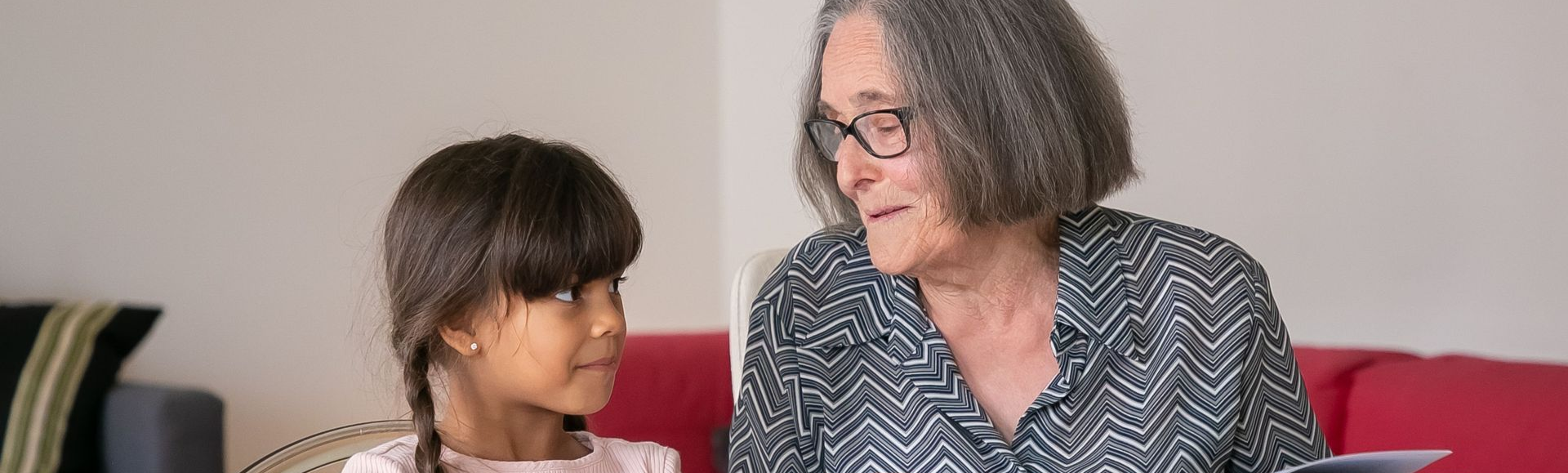
As a priest, some of my favorite conversations are with our older parishioners. They have lived through so much—joys and sorrows, successes and failures, raising families, and remaining faithful through every season of life. If we take the time to listen, we realize we can learn so much from them. Their wisdom is not only found in what they say, but in the way they have lived.
That is why I always encourage our kūpuna to remain involved in the life of our parish and school. Even if they can no longer do everything they once did, their presence itself is a ministry. Just seeing them faithfully at Mass, praying the rosary, helping at parish events, encouraging our students, or simply being present reminds us what a lifetime of discipleship looks like. Our young people at Maryknoll need to see that faith is not something we practice for a few years, but something we live for a lifetime. Our kūpuna are living witnesses of that truth.
One thing I have noticed is that many of them have a simple attitude toward service. If you ask why they continue to help after all these years, they often say, "Father, we do it because it's something we do, and it has to be done."
One of those people is Aunty Carmen. Many of you know her because she faithfully serves not only here at the parish but also generously volunteers at Maryknoll School. I remember she once shared that at work everyone was complaining because someone forgot to open the gate. Rather than joining in, she simply said, "Never mind... we just do it."
I couldn't help but think of our kūpuna and Aunty Carmen when I prayed with today's readings.
In the first reading, the people ask God what He wants from them. They assume He must want something grand—burnt offerings, thousands of rams, or costly sacrifices. But God answers with one of the most beautiful verses in Scripture: "You have been told what is good: to do justice, to love goodness, and to walk humbly with your God."
God is not looking for spectacular acts. He is looking for faithful hearts.
Then, in the Gospel, the scribes and Pharisees ask Jesus for a sign. They wanted something extraordinary, yet they failed to recognize that the greatest sign was already standing before them. Their problem was not a lack of signs but a lack of faith.
I wonder if we sometimes do the same. We ask God for signs while overlooking the signs He has already placed before us.
Perhaps one of God's greatest signs is the quiet witness of faithful disciples who have spent decades walking with Him. People like our kūpuna. People like Aunty Carmen. They may never make headlines, but their lives quietly proclaim the Gospel every single day.
Today we also remember St. Apollinaris, bishop and martyr. He did not spend his life asking God for signs. He became one. Through his faithful preaching, humble service, and perseverance through suffering, he pointed others to Christ.
The same is true of so many of our faithful parishioners. They remind us that holiness is rarely about doing extraordinary things. More often, it is about doing ordinary things with extraordinary faithfulness—year after year, with love, humility, and perseverance.
May we never take our kūpuna for granted. Listen to their stories. Learn from their example. Invite them to continue sharing their gifts in our parish and school. Their presence is not simply appreciated—it is needed. For they remind all of us, especially our younger generation, what it truly means to do justice, love goodness, and walk humbly with our God.