Reflection: What If Someone Called You By Another Name?
Optional Memorial of St. Katharine Drexel, Virgin
Brief Background:
St. Katharine Drexel was born into a wealthy and prominent family in Philadelphia in 1858. After the death of her parents, she inherited a substantial fortune, but instead of choosing a life of comfort, she felt called to dedicate her life and resources to serving those who were marginalized, especially Native Americans and African Americans who faced severe poverty and discrimination. During a meeting with Pope Leo XIII, she asked him to send missionaries to support Native American communities. The Pope challenged her with a life-changing question: “Why don’t you become a missionary?” Taking this to heart, she founded the Sisters of the Blessed Sacrament and used her inheritance to establish schools and missions throughout the United States, including Xavier University of Louisiana, the only historically Black Catholic university in the country. Known for her commitment to racial justice and education, she was canonized in 2000 by Pope John Paul II. She is the patron saint of racial justice, philanthropists, Native Americans, and African Americans, and her life continues to witness to the power of faith lived through generosity and courage.
REFLECTION:
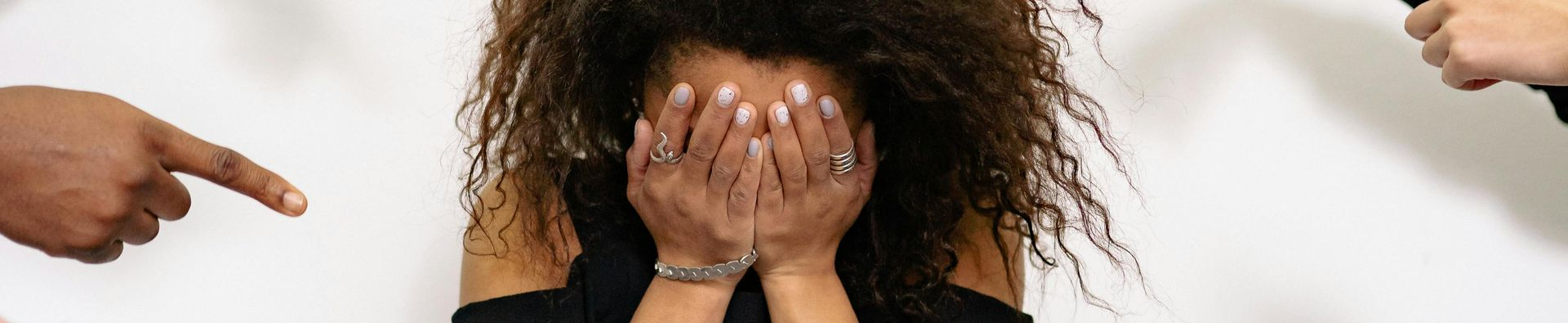
What if someone walked up to you and called you by the wrong name? Not just a small mistake — but they called you by the name of another family. Maybe even a family known for something negative. Imagine someone saying, “Oh, you’re one of them,” when you know that’s not who you are. You would feel shocked. Maybe offended. Maybe defensive. You would say, “That’s not me.” That is exactly the feeling Isaiah wants the people of Jerusalem to experience.
In Isaiah 1:10, he says: “Hear the word of the Lord, rulers of Sodom… people of Gomorrah.” He calls God’s chosen city by the name of the most infamous cities in Scripture. Why would he do that? Because sometimes the only way to wake someone up is to say something that shakes them.
Sodom and Gomorrah were not destroyed simply because of one category of sin. Their deeper corruption was this: arrogance, injustice, violence, and indifference to the poor. They had comfort without compassion. Prosperity without mercy.
Isaiah looks at Jerusalem — a city filled with temple worship, sacrifices, and religious festivals — and he sees something disturbing. The people are going through the motions of religion, but their lives do not reflect justice. Widows are neglected. The vulnerable are ignored. Power is abused. So he calls them “Sodom.” It is not an insult for the sake of humiliation. It is a mirror.
Isaiah is saying: You may think you are faithful, but your actions look like the very thing you condemn. And that question moves from ancient Jerusalem into our own time. Is there something similar today?
We live in a world where religion can be visible but compassion invisible. Where we can speak strongly about morality while remaining silent about injustice. Where we can attend worship regularly but overlook the lonely, the poor, the struggling. The danger is not that we stop believing. The danger is that belief stops transforming us. But here is the mercy in the shock.
After calling them “Sodom,” God does not close the door. He says: “Wash yourselves clean… cease doing evil… learn to do good… seek justice.” Then comes the tender promise: “Though your sins are like scarlet, they shall be white as snow.” The strong word is not condemnation — it is invitation.
God calls them by another name not to define them permanently, but to prevent them from becoming it fully. He confronts so that He can restore. So perhaps the deeper question for us is this: If God looked at my life — at my family, my community, my parish — what name would He use? Would He see routine religion? Or living mercy?
Isaiah reminds us that before restoration comes repentance. Before renewal comes honesty. And sometimes the most loving thing God can do is call us by a name that wakes us up — so that we can return to the name that truly belongs to us: His people.