Reflection: When The Crowd Changes
REFLECTION:
There’s a lot of pressure for a young man who enters seminary formation—especially if he comes from a Polynesian, Filipino, or Asian family. When he shares his desire to become a priest, the whole family, the church, even the village gathers around him. There are prayers, blessings, celebrations. He is sent off with honor, with pride, with hope.
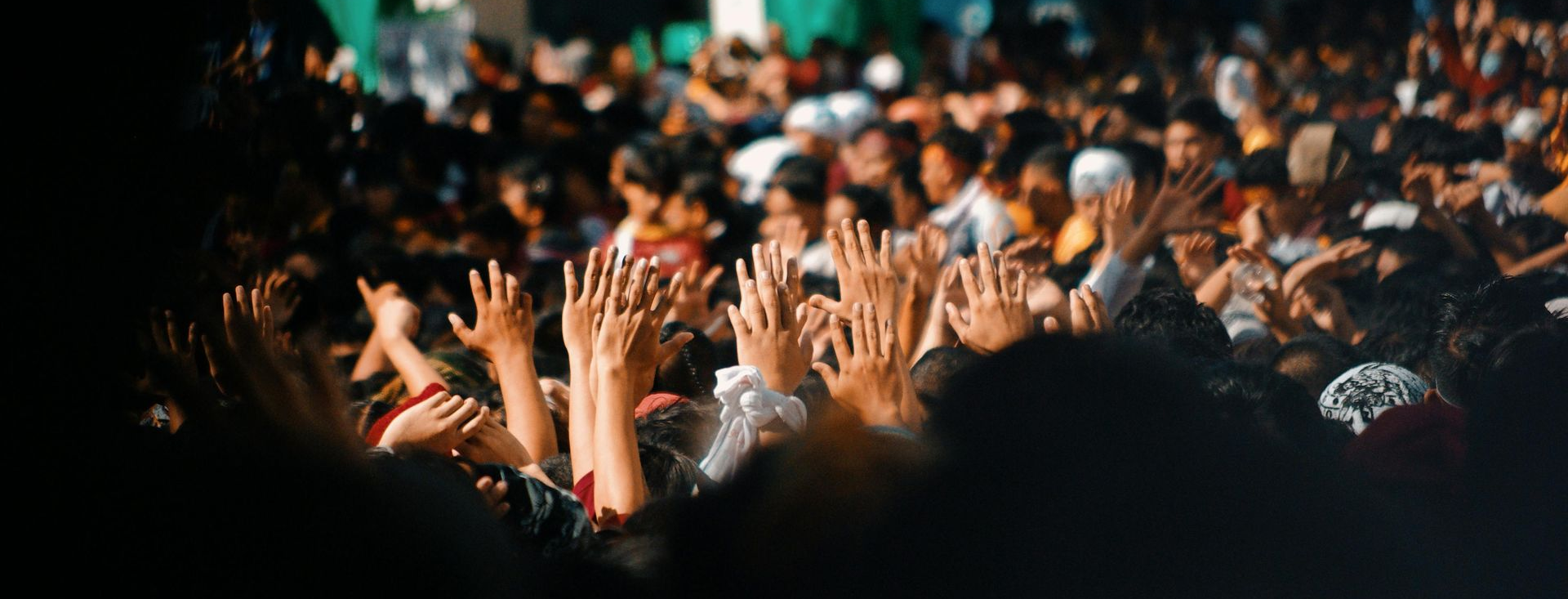
But if that same young man does not finish and returns home, the experience can feel very different. There is no big welcome. The crowds are gone.
Conversations become quiet. People whisper. What was once a moment of praise becomes something people avoid speaking about.
It’s striking how quickly support can turn into silence.
In different ways, many of us have experienced something similar. There are moments in life when we are welcomed warmly—when people offer encouragement, kind words, even gestures of support that make us feel affirmed and received. Everything feels positive, hopeful, and full of promise. But then, as time goes on, when difficult conversations arise, when truths need to be spoken, or when expectations are challenged, the tone can shift. The same voices that once affirmed can become distant, or even resistant.
And in a very real way, this echoes what we see in the Acts of the Apostles with Paul the Apostle.
Just days before, Paul was in Lystra being treated like a god. The people were ready to offer sacrifices to him. They were amazed, inspired, even in awe of him. But in today’s passage (Acts 14:19–28), that same crowd is stirred up—and suddenly everything changes. The same people who wanted to worship him now stone him, drag him out of the city, and leave him for dead.
The crowd didn’t just change their minds—they turned on him.
This reveals something important, and maybe uncomfortable: the applause of the crowd is never a stable foundation for discipleship. People can celebrate you one moment and struggle with you the next. Approval can be loud, but it is often fleeting.
And that’s why discipleship, at its core, always involves suffering.
Paul doesn’t quit. He doesn’t go back to chase the approval he once had. Instead, he gets up—bruised, rejected, and nearly killed—and continues the mission. Not because it is easy, not because he is affirmed, but because he is faithful.
“It is necessary for us to undergo many hardships to enter the Kingdom of God.” That line is not meant to discourage us—it’s meant to ground us in reality.
Because if our faith is built on recognition, success, or the approval of others, it will collapse the moment those things are taken away. But if our faith is rooted in Christ, then even rejection, even suffering, even silence cannot shake it.
Going back to that young man who returns home from the seminary—his journey is not a failure in the eyes of God. His willingness to respond, to try, to discern, already required courage. And even if the crowd is no longer there, God still is. The call to discipleship does not disappear simply because it looks different than expected.
In fact, sometimes the deepest discipleship happens not in the moments of celebration, but in the quieter, more difficult moments—when standing in truth costs something, when faithfulness is no longer applauded, and when perseverance becomes a daily choice.
Acts 14 reminds us: don’t follow Christ for the crowd. Follow Him for the cross.
Because the same crowd that lifts you up may one day let you down. But Christ never does.
And the path of discipleship—though it may pass through suffering—is always leading us closer to Him.