Reflection: Who We Are in the Quiet Moments
Optional Memorial of Saint Toribio de Mogrovejo, bishop
Brief Background:
St. Toribio de Mogrovejo (1538–1606) was a Spanish lawyer who became the Archbishop of Lima, Peru, during the early missionary period in South America. Though not originally a priest, he was appointed for his integrity and leadership, and quickly embraced his role as a shepherd of the Church.
He is best known for his tireless missionary work—traveling thousands of miles across difficult terrain to visit remote communities, defend the dignity of Indigenous peoples, and strengthen the faith through catechesis and the sacraments. He learned local languages, promoted justice, and worked to reform both clergy and society.
He is the patron saint of Latin American bishops and native peoples, and is remembered for his deep commitment to evangelization, justice, and pastoral care.
REFLECTION:
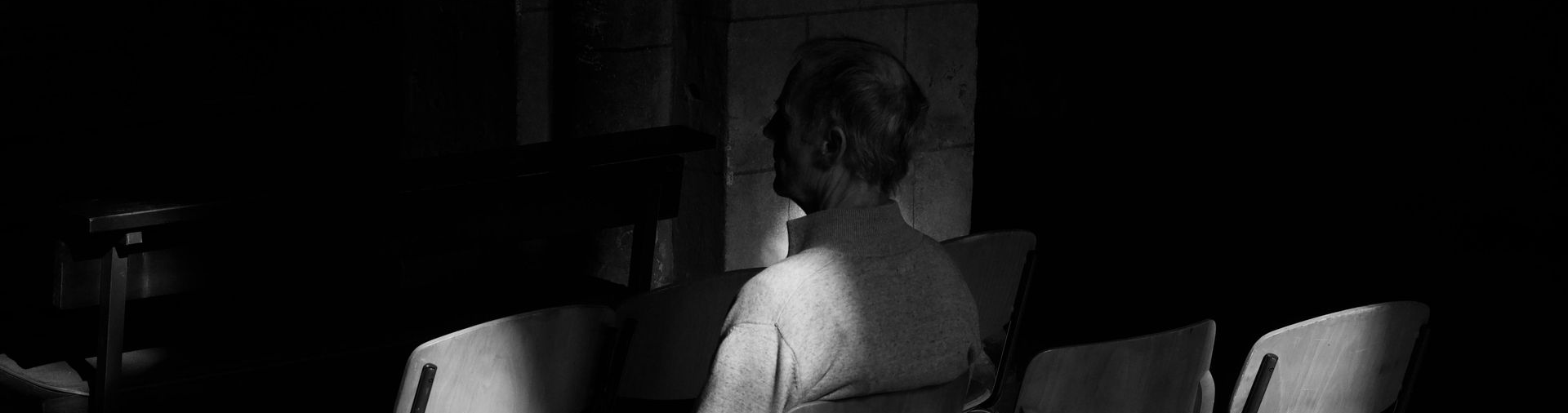
I’ll be honest—many of the most important decisions I make as a leader and as a pastor don’t happen in meetings or in front of others. They happen in quiet moments, when no one else is around. It’s in those moments that I try to pray, to listen for what God is asking, and to sort through what is really going on within me.
The story of Susanna unfolds in that same kind of space—a quiet, hidden place. Not in public, not before a crowd, but in a garden where no one else can see. And that is often where our most important decisions are made. Not when everyone is watching, but in those private moments when it is just us, our conscience, and God.
Susanna is faced with a difficult choice: give in to wrongdoing and protect herself, or remain faithful to God and risk everything. She chooses integrity. She chooses God. And in doing so, she reminds us that faith is not just something we profess publicly—it is something we live, especially when it costs us something.
We can recognize ourselves in these moments. The quiet pressures we face may look different, but they are just as real—whether it is going along with what we know is wrong, staying silent when we should speak, or choosing what is easy over what is right. In those moments, the question becomes clear: who are we when no one is watching?
The story also reveals another truth: even when people misunderstand, misjudge, or fail us, God does not. God sees what is hidden. God hears the cry of the innocent. And in time, God brings truth to light. Susanna’s trust in God is not misplaced—it is ultimately vindicated.
And then there is Daniel. A young voice, willing to stand up, question what everyone else accepted, and defend the truth. His courage reminds us that we, too, are called not only to live with integrity, but also to stand for others—to be a voice for what is right, even when it is uncomfortable.
This reflection invites us to look at our own quiet moments. Not just the big decisions, but the small, unseen choices we make every day. It challenges us to choose integrity over convenience, truth over comfort, and faith over fear.
Because in the end, it is not about who is watching. It is about who we are becoming—and whether, in the quiet moments, we are listening to the voice of God.