Reflection: Praying for Boldness and Peace
Optional Memorial of St. Martin I, pope and martyr
Brief Background:
St. Martin I was Pope from 649 to 655 and is remembered as one of the last popes to be honored as a martyr. He was born in Todi, Italy, and became pope during a time of major theological controversy in the Church.
The main issue he confronted was the heresy called Monothelitism, which claimed that Jesus Christ had only one will instead of both a human and a divine will. To defend the true teaching of the Church, Pope Martin I called the Lateran Council of 649, which condemned this heresy and affirmed that Christ possesses both a human and divine will.
Because of his defense of the faith, he came into conflict with the Constans II, the Byzantine emperor. Martin I was arrested, taken to Constantinople, publicly humiliated, and eventually exiled to Chersonesus (in present-day Crimea). There he suffered greatly from hunger and illness and died in exile in 655.
St. Martin I is honored as a martyr because he suffered and died defending the truth of the faith and the authority of the Church. St. Martin I is considered the patron saint of victims of unjust imprisonment and exiles.
REFLECTION:
These past days, the world has been watching with concern the growing tensions and conflict between the United States and Iran. News reports speak of military strikes, rising hostility, and the fear that this conflict could expand and affect many more lives. When we watch these events unfold, it can feel overwhelming. The world seems filled with voices of anger, power struggles, and uncertainty about what may happen next.
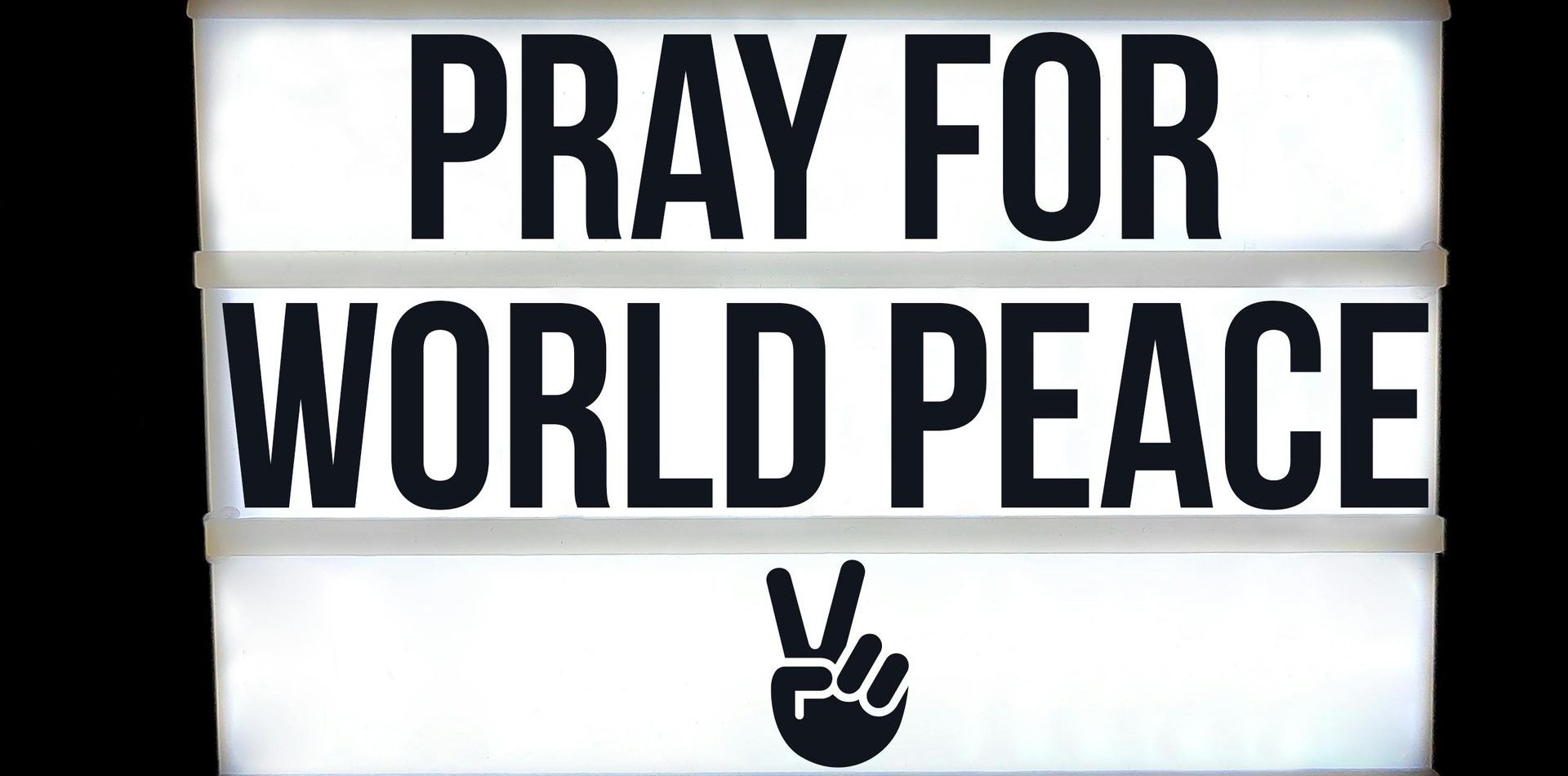
In the midst of these tensions, the Holy Father, Pope Francis, has called the faithful around the world to a day of prayer for peace on Saturday, asking Catholics and all people of goodwill to turn to God and pray for reconciliation and dialogue among nations. The Pope reminds us that when the world seems most divided, the Church responds first not with fear, but with prayer.
This call to prayer echoes what we see in today’s reading from the Acts of the Apostles.
The early Christian community was also living in a time of tension and conflict. Peter the Apostle and John the Apostle had just been arrested by the authorities for preaching about Jesus Christ. They were threatened and warned not to speak in His name again. The leaders of the time had real power—power to imprison them, silence them, even persecute them.
So what did the early Christians do? They gathered together and prayed. But their prayer is surprising. They do not ask God to remove their problems. They do not ask for protection from every danger. Instead they pray: “Lord, grant your servants to speak your word with boldness.” They pray for courage.
This tells us something profound about the life of faith. The Christian response to a troubled world is not fear, silence, or despair. The Christian response is prayer and trust that God is still at work even when the world seems chaotic.
After they pray, something remarkable happens. Scripture tells us that the place where they were gathered shook, they were filled with the Holy Spirit, and they continued to proclaim the word of God with boldness.
The world around them was shaking with tension and opposition, but God was shaking their hearts with courage.
Today, as we hear about wars and conflicts around the world, the invitation is the same for us. We are called to pray for peace, to trust that God can soften hearts, and to become instruments of that peace in our families, our communities, and our world.
Peace does not begin in political negotiations alone. Peace begins in the human heart. And when hearts are transformed by God, the world can begin to change.
Let us conclude with the beautiful prayer often attributed to Francis of Assisi, a prayer that reminds us that each of us can become instruments of God’s peace.
Prayer for Peace
Lord, make me an instrument of your peace.
Where there is hatred, let me sow love;
where there is injury, pardon;
where there is doubt, faith;
where there is despair, hope;
where there is darkness, light;
and where there is sadness, joy.
O Divine Master,
grant that I may not so much seek
to be consoled as to console,
to be understood as to understand,
to be loved as to love.
For it is in giving that we receive,
it is in pardoning that we are pardoned,
and it is in dying that we are born
to eternal life. Amen.