Reflection: Which Story We Share? Living as Witnesses of the Resurrection
REFLECTION:
Imagine a teacher beginning class with a simple activity. The students sit in a circle, and the teacher whispers a short message to the first student. That student quietly passes the message to the next, and it continues around the room until the last student says aloud what he heard. Almost every time, the message has changed. Words are mixed up, details are lost, and sometimes the meaning becomes completely different from the original. Teachers often use this game to show how easily a message can be distorted when it passes from person to person. Without clear witnesses, the truth can quickly be replaced by confusion, rumors, or misunderstandings.
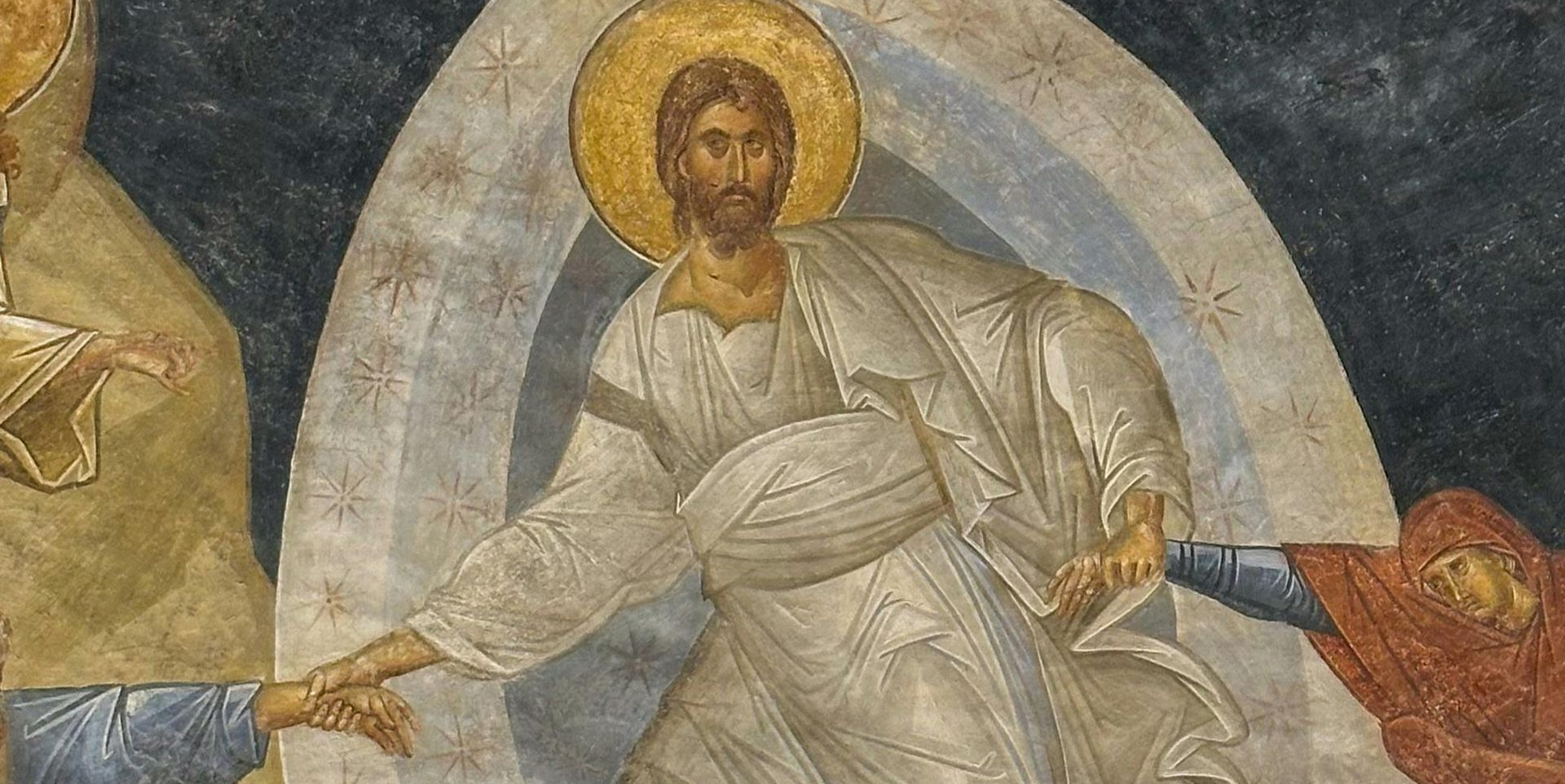
Something similar happened after the Resurrection of Jesus. In the Gospel from Gospel of Matthew 28:8–15, the news of the empty tomb begins to spread. The women encounter the risen Christ and run from the tomb “fearful yet overjoyed” to tell the disciples. They become the first messengers of the Resurrection. But at the same time another message begins circulating. The guards report what happened, and the religious leaders create a different story, saying that the disciples stole the body while the guards were asleep. Two very different messages about the same event begin spreading through Jerusalem.
Then, in the reading from Acts of the Apostles 2:14, 22–33, we see what happens next. Peter stands up before the crowd and boldly proclaims the truth: Jesus, who was crucified, has been raised by God. Peter declares that the apostles are witnesses to this reality. The same Peter who once denied Jesus now speaks with courage. He refuses to allow rumors or false stories to define what happened. Instead, he clearly proclaims that Christ is alive.
Together these readings remind us that every generation must choose how it will respond to the Resurrection. From the very beginning, there were two responses. Some believed and became witnesses, while others tried to dismiss the truth or explain it away. The same choice continues today. The Resurrection is not simply an event from the past; it is a truth that still confronts every person.
In our own time, messages also spread quickly—through conversations, social media, and daily interactions. People still share different stories about faith and about Jesus. Some speak as if faith does not matter anymore, as if religion is something outdated or optional. But others spread a different message through the way they live—through hope, kindness, forgiveness, and trust in God even in difficult moments. Just like in that classroom game, messages continue to move from one person to another.
This raises an important question for us: What message about Christ do people hear when they encounter us? Our lives speak even when our words are silent. When we choose patience instead of anger, forgiveness instead of resentment, generosity instead of selfishness, we quietly proclaim that Christ is alive. These everyday actions become our testimony.
Peter’s example reminds us that believing in the Resurrection should change how we live. If Christ is truly risen, then fear does not have the final word. If Christ is alive, then even in suffering and uncertainty we can still hold on to hope. The apostles did not simply repeat a message; they lived as people whose lives had been transformed by the risen Lord.
Being a witness does not require standing before a crowd like Peter. Sometimes it is much simpler. It can mean praying before a meal even when others are watching. It can mean inviting someone to Mass, helping someone who is struggling, forgiving someone who hurt us, or simply speaking about faith with sincerity. In small but meaningful ways, these actions continue the message that began on Easter morning.
The Resurrection continues to echo through history, and each generation must decide what to do with that message. Some will ignore it or explain it away. Others will believe it and allow it to shape their lives. The question for us is simple but profound: Will we live as people who have heard the news that Christ is risen?
Like the women who ran from the tomb and like Peter who stood before the crowd, we too are called to be witnesses. Through our words, our choices, and the way we live each day, we help carry the message forward—that the tomb is empty, that Christ is alive, and that hope is stronger than death.